


There is a world of difference between sugarcane bagasse eco tableware and conventional plastic packaging in terms of sustainable development, local regulatory compliance policies and long-term business profits. Made from waste sugarcane fiber from agricultural crops, bagasse is a renewable raw material. Its finished products are fully compostable in natural environments. Nowadays, numerous restaurants, distributors and chain brands are switching away from plastic packaging to comply with plastic restriction laws and build an eco-friendly brand image.
Although plastic packaging remains widely used thanks to its low unit cost and durability, plastic ban regulations are being tightened across the globe, while consumers’ growing environmental awareness has damaged the market reputation of plastic goods. When selecting packaging supplies, B2B buyers should not only focus on the per-unit purchase cost, but also take into account product performance, import & export compliance certifications, stable supply capacity and the long-term brand positioning of their businesses.
Plastic cannot degrade naturally easily. It severely pollutes the ocean, and the microplastics released during its decomposition pose potential health risks. Coupled with increasingly stringent global environmental regulations, companies will face substantial hidden risks if they rely on plastic packaging long-term. For chain catering businesses, wholesalers, hotels and offline retail brands, bagasse tableware serves as an ideal alternative that balances regulatory compliance, environmental protection and customer satisfaction. The following content will compare the advantages and disadvantages of bagasse products and plastic packaging from three perspectives: environmental impact, store operation and long-term economic benefits, helping buyers make packaging procurement decisions that align with their long-term business growth
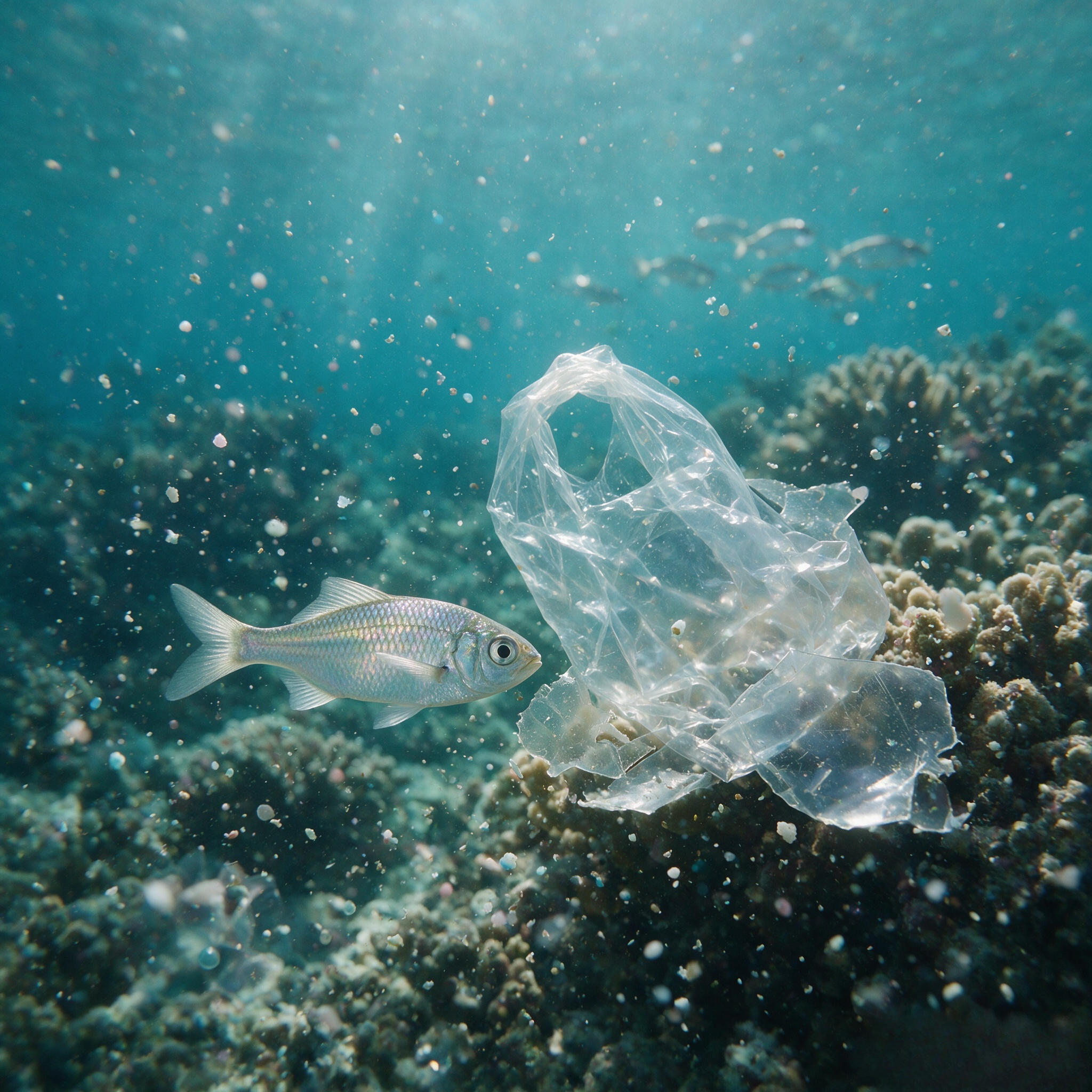
Plastic products bring great convenience to all walks of life due to their practicality, yet the hidden environmental hazards they create cannot be overlooked. It takes hundreds of years for plastic to break down naturally. Waste plastic piles up in landfills and flows into oceans nonstop, ruining the natural ecosystem, endangering marine creatures and posing hidden risks to human health in the long run. With stricter environmental regulations worldwide, catering businesses, wholesalers and physical stores have to shift to sustainable packaging solutions to cut plastic-related operational and environmental risks.
I have sorted out straightforward industry statistics to show how severely plastic waste harms our planet:
1. Landfill Crisis: Over 700 million tons of plastic are produced globally each year. Only around 10% gets recycled, while most leftover waste ends up in landfills or incinerated, creating long-term troubles for municipal waste disposal.
2. Ocean Disaster: An estimated 8 million tons of plastic waste flow into oceans annually, which equals one full truck of plastic garbage dumped into seawater every single minute. Based on current pollution trends, plastic will outweigh all fish in the ocean by 2050.
3. Widespread Microplastics: There are 5.25 trillion plastic fragments floating across global oceans, with an extra 1.4 million tons of microplastics entering seawater every year. Large plastic items break down into microplastics (smaller than 5mm) after long-term weathering. These tiny particles spread across all waters, accumulate through the food chain, get eaten by marine life and eventually enter the human body, leading to lasting health threats.
As plastic pollution keeps worsening, sustainable alternatives such as sugarcane bagasse tableware are now in unprecedented high market demand.
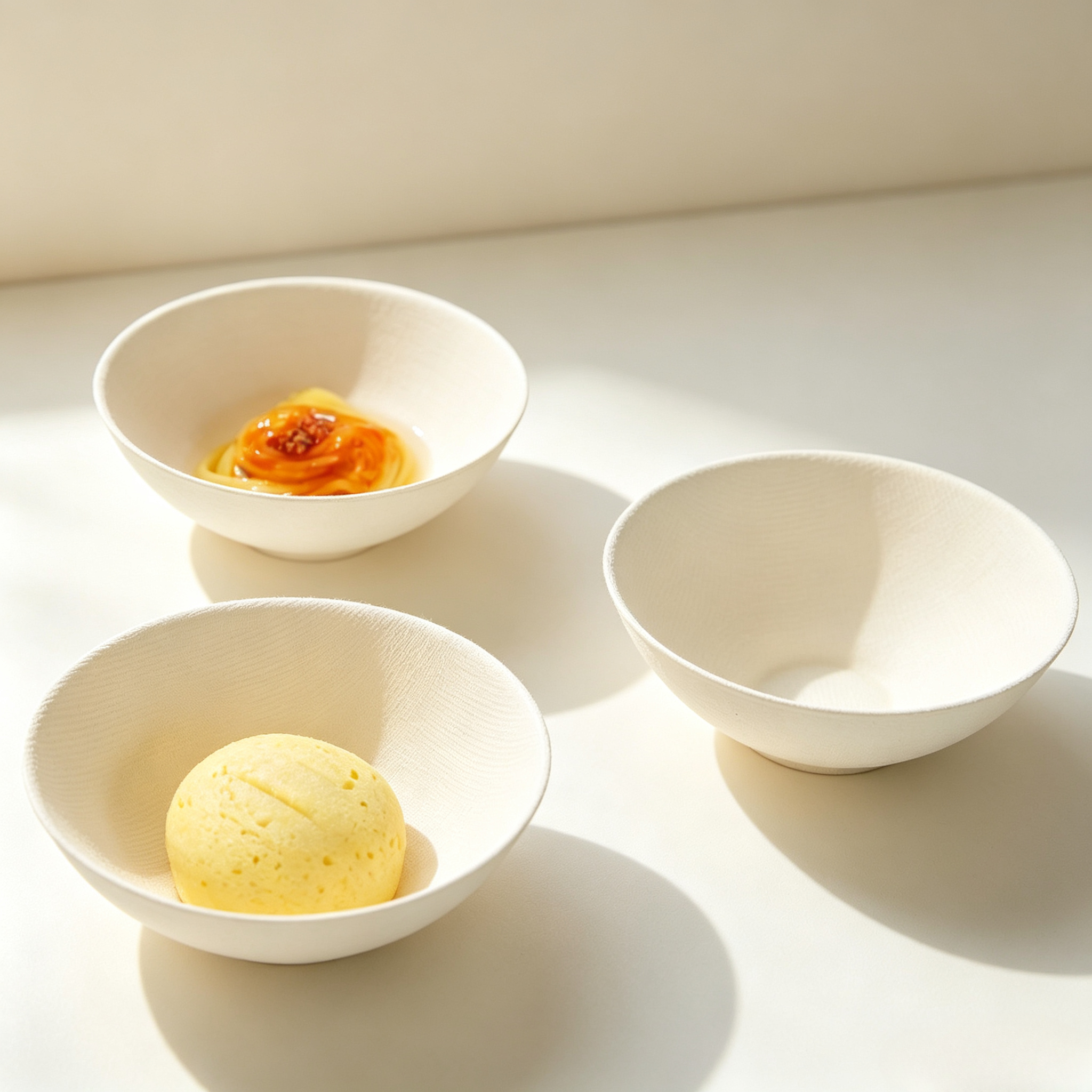
What is Sugarcane Bagasse?
Sugarcane bagasse is the fibrous residue left after squeezing juice from sugarcane stalks. In the past, this waste was usually burned, which caused air pollution and resource waste. Thanks to technological upgrades, bagasse has become a valuable renewable eco-material nowadays.
Four Major Advantages of Sugarcane Bagasse
1. Renewable & Fully Compostable
Sugarcane is planted and harvested every year, so it’s a renewable crop. As a byproduct of sugar factories, making tableware from bagasse does not occupy extra farmland. Products made of bagasse can biodegrade naturally without leaving permanent pollution to the ocean and soil.
2. Lower Carbon Footprint
Producing bagasse goods releases far fewer greenhouse gases compared with plastic made from petroleum. Reusing sugarcane waste avoids incineration pollution and cuts industrial energy consumption. Switching to bagasse packaging helps brands reduce carbon emissions and comply with global plastic ban policies.
3. Wide Versatile Usage
Flexible sugarcane fiber can be molded into diverse products. It is widely used to make disposable plates, dessert cups, takeaway food containers and coffee cups. It can also be processed into packaging fillers, disposable cutlery and even biofuel. It serves as an ideal plastic substitute for catering, retail and supermarket industries.
4. Stable & Cost-Effective
Bagasse brings obvious economic benefits for business owners. As sugar-processing waste, its raw material cost is low, without violent price fluctuations caused by international oil prices like plastic.
With rising global demand for eco-friendly products and stricter plastic restrictions, businesses using bagasse tableware can operate legally and attract more eco-conscious customers.
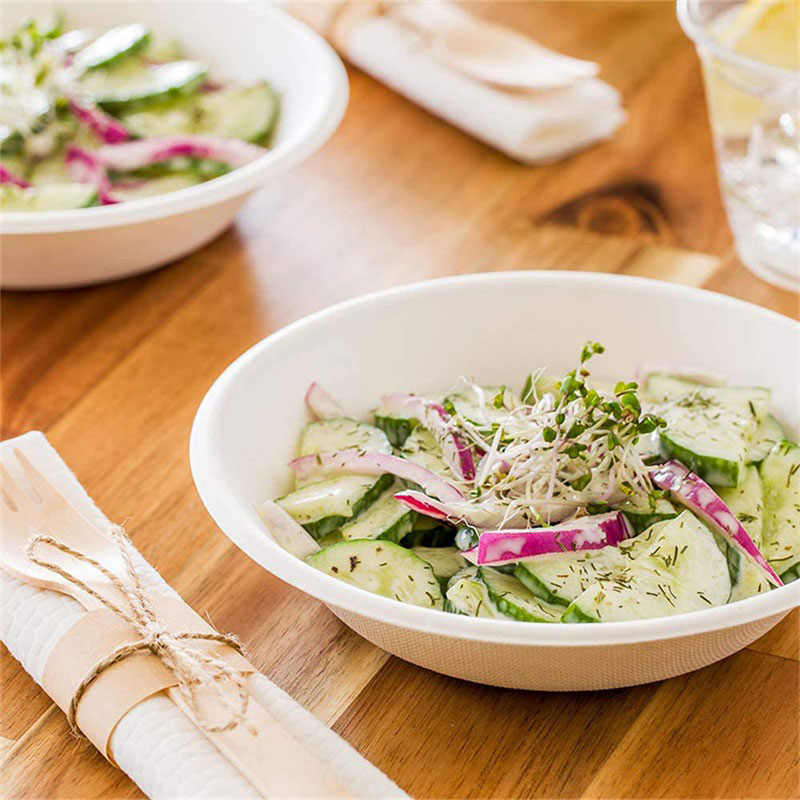
Frequently Asked Questions About Sugarcane Bagasse Tableware
1. Are our bagasse containers microwave-safe?
Absolutely. All our bagasse products can withstand high temperatures for microwave and oven use. They bring the same convenience as disposable plastic tableware while staying eco-friendly.
2. Is sugarcane bagasse safe for direct food contact?
100% food-safe. Made of all-natural non-toxic sugarcane fiber, all items pass strict food-grade tests and meet global food safety standards, suitable for oily, cold and hot food.
3. Can sugarcane bagasse products be composted?
Yes. They break down fully in natural environments without leaving toxic residues, an ideal pick for eco-focused restaurants and retail brands.
4. Is bulk bagasse tableware more costly than plastic?
Though the unit price is slightly higher than regular plastic, you will save long-term costs on plastic tax and waste disposal fees. As a direct factory supplier, we offer competitive wholesale prices to control your purchasing budget.
5. Do your items have certifications for EU and US export?
We hold FDA, BPI and OK COMPOST HOME certificates, fully qualified for worldwide distribution.
6. Can bagasse tableware be stored in bulk for a long time?
Unlike other fragile eco-materials, our bagasse products can be stored for up to 2 years in cool, dry warehouses. Perfect for distributors managing large inventories without worrying about spoilage.
7. Can you customize bagasse packaging based on my current plastic box sizes?
We provide comprehensive customization services. We can create custom molds matching the exact size and structure of your existing plastic containers, enabling a smooth switch to eco-friendly packaging for your brand.
8. Are used bagasse products recyclable?
Our products are designed for composting first. Recyclability depends on local professional waste recycling facilities. Please check with your local waste management department for proper disposal rules in your region.